Why Soccer Games Are More Realistic Than Ever in Modern Gaming
Delapantoto – Over the past decade, soccer video games have evolved dramatically. What once started as simple arcade-style gameplay has transformed into deeply immersive simulations that closely resemble real-life football matches. Modern soccer games now deliver lifelike player movements, realistic stadium atmospheres, advanced artificial intelligence, and dynamic match physics. These improvements have attracted both casual gamers and serious football fans who want to experience the thrill of the sport from their own screens.
Today’s soccer gaming titles strive to replicate every aspect of the sport, from tactical formations and player stamina to weather conditions and crowd reactions. This commitment to authenticity is one of the reasons why soccer games have become some of the most popular sports games in the global gaming industry.
In this article, we explore why soccer games are more realistic than ever and how technological advancements continue to shape the future of football gaming.
Advanced Graphics and Visual Technology
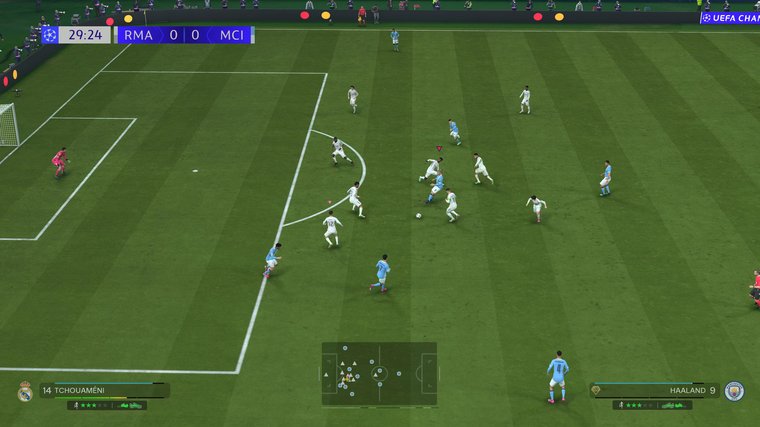
One of the most noticeable improvements in modern soccer games is the leap in graphics quality. Game developers now utilize powerful engines and next-generation hardware to create stadiums, players, and environments that look almost identical to real-world broadcasts.
High-resolution textures, realistic lighting systems, and motion capture technology allow players to see individual facial expressions, jersey movements, and even subtle body language during matches. Modern consoles and gaming PCs are capable of rendering detailed grass textures, realistic weather effects, and dynamic shadows that enhance immersion.
In addition, player likenesses have improved dramatically. Many soccer games now scan real athletes using advanced 3D scanning technology. This ensures that player faces, hairstyles, and body proportions match their real-life counterparts. The result is a digital experience that feels more authentic than ever before.
Motion Capture and Realistic Player Movement
Another major factor behind the realism of modern soccer games is motion capture technology. Developers capture the movements of professional football players to recreate their running styles, dribbling techniques, and shooting animations.
Instead of relying on generic animations, modern soccer games include thousands of unique motion sequences. These animations allow players to perform realistic movements such as step-overs, controlled passes, sliding tackles, and goalkeeper dives.
Motion capture also helps recreate signature moves used by famous footballers. As a result, gamers can experience realistic ball control, body balance, and reaction time during matches. This attention to detail significantly enhances gameplay realism and allows players to feel like they are controlling real athletes.
Improved Artificial Intelligence
Artificial intelligence plays a crucial role in making soccer games feel authentic. In earlier games, AI-controlled players often behaved predictably and lacked tactical awareness. Modern soccer games, however, use advanced AI systems to replicate real football strategies.
Computer-controlled teammates and opponents now react dynamically to the flow of the game. They adjust their positioning, track runs, defend passing lanes, and exploit open spaces just like professional players on the field.
For example, defenders may close down attackers quickly, while midfielders provide support by creating passing opportunities. Strikers make intelligent runs behind the defensive line, forcing players to think strategically when attacking or defending.
These intelligent behaviors create a more challenging and realistic match experience that mirrors real-life football tactics.
Realistic Physics and Ball Mechanics
The physics system in soccer games has also undergone significant improvements. In older titles, ball movement often felt unnatural or scripted. Today’s physics engines simulate real-world interactions between players, the ball, and the environment.
Modern soccer games accurately calculate ball trajectory, spin, and impact based on player input and environmental factors. This means that passes, shots, and deflections behave more naturally during gameplay.
For instance, a powerful shot from outside the penalty area may curve differently depending on the player’s angle and technique. Similarly, collisions between players now involve realistic body physics, making tackles and challenges feel authentic.
These physics-based mechanics add depth to gameplay and reward players who understand positioning and timing.
Tactical Depth and Strategic Gameplay
Modern soccer games are no longer just about scoring goals. They also emphasize tactics and strategic decision-making.
Players can now customize formations, assign player roles, and adjust team strategies during matches. Whether it’s high pressing, defensive counterattacks, or possession-based play, gamers can replicate real-world football philosophies.
Coaches and managers often spend hours studying tactics, and modern soccer games reflect that complexity. The ability to analyze opponents, change formations, and make tactical substitutions creates a deeper and more realistic gaming experience.
This level of control allows players to feel like both a coach and an athlete at the same time.
Realistic Stadium Atmosphere
Another reason soccer games feel more realistic today is the immersive stadium atmosphere. Game developers invest significant effort in recreating the energy and excitement of real football matches.
Crowds now react dynamically to key moments such as goals, missed opportunities, and controversial decisions. Stadium chants, commentary, and crowd noise contribute to the overall match atmosphere.
Many games also replicate famous stadiums with impressive accuracy. From stadium architecture to fan banners and lighting effects, these elements help players feel as though they are competing in real football arenas.
The addition of broadcast-style camera angles and professional commentary further enhances the sense of realism.
Online Multiplayer and Competitive Gaming
The rise of online multiplayer gaming has also contributed to the realism of soccer games. Playing against human opponents introduces unpredictability and strategic diversity that artificial intelligence cannot fully replicate.
Online modes allow players to compete with friends or challenge gamers from around the world. Competitive leagues, ranked matches, and esports tournaments have transformed soccer gaming into a serious competitive activity.
These online experiences mirror real-world football competitions, where skill, teamwork, and strategy determine success. As a result, players often develop advanced tactics and improve their gameplay over time.
The Role of New Technology in Soccer Gaming
Emerging technologies such as machine learning, cloud gaming, and virtual reality are expected to push soccer game realism even further in the coming years.
Machine learning can help AI players learn from real-world football data, creating smarter gameplay. Cloud gaming allows developers to process complex simulations without hardware limitations. Meanwhile, virtual reality may eventually allow players to experience soccer matches from a first-person perspective.
These innovations suggest that the future of soccer gaming will become even more immersive and interactive.
Conclusion
Soccer games have come a long way from their early arcade roots. Today’s titles combine advanced graphics, motion capture technology, realistic physics, and intelligent AI systems to deliver an experience that closely mirrors real football matches.
Developers continue to push the boundaries of realism by integrating cutting-edge technologies and improving gameplay mechanics. From detailed stadium atmospheres to strategic team management, modern soccer games offer an authentic and engaging experience for football fans worldwide.
As technology continues to evolve, soccer games will only become more immersive and realistic. For gamers and football enthusiasts alike, the future of soccer gaming promises exciting possibilities and even deeper connections to the beautiful game.
About the Author